
Serving Southern Utah
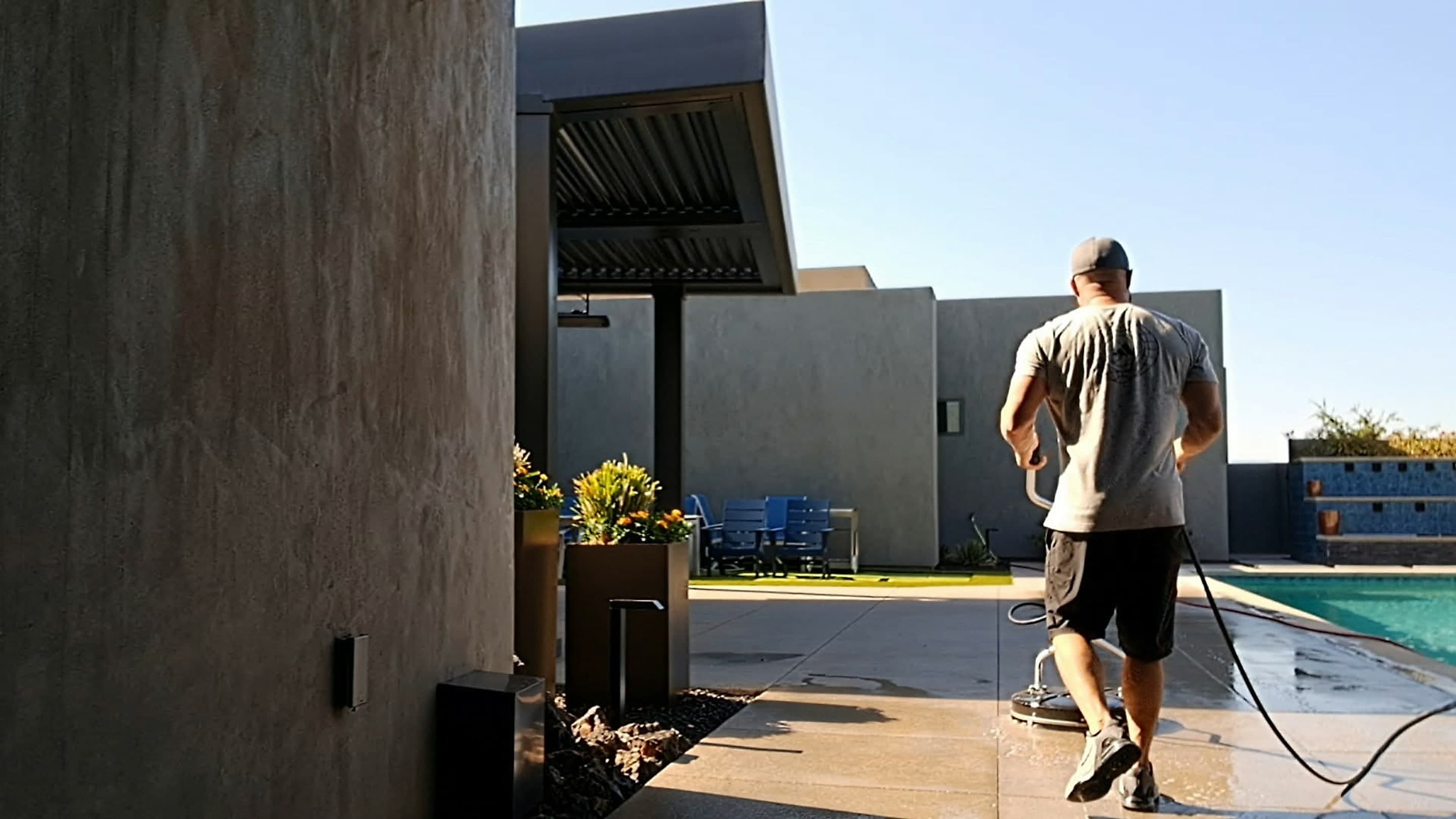
Pressure Washing in St. George, UT
Dirt and buildup don't just look bad, they break down your surfaces and create slip hazards. Our commercial-grade equipment and trained technicians restore any exterior surface without causing damage.

Quality You Trust
Commercial-grade materials, every job

Craftsmanship That Lasts
Built for the Southern Utah climate

Service Done Right
Honest pricing, no surprises

Reliability Every Time
On time, and we follow through
Pressure Washing in St. George, Answered
Who does concrete pressure washing in St. George?
Supreme Power Washing & Coatings has been pressure washing concrete across St. George, Washington County, and Mesquite, Nevada for years. Pressure washing and power washing describe the same service, and the difference people usually mean is heated water, which we use when a surface calls for it. We clean driveways, garage floors, patios, pool decks, sidewalks, entryways, building exteriors, and commercial parking lots. Every surface gets matched to its own pressure and cleaning method before we start, because concrete, pavers, stucco, and painted surfaces each fail in different ways when they are hit with the wrong setting.
What does pressure washing actually pull off concrete?
On Southern Utah properties the usual list is motor oil and transmission fluid in driveways and garage floors, rust and mineral staining where sprinklers hit the slab, red sand ground into open pores by wind and foot traffic, algae and mold in shaded or over-irrigated areas, efflorescence blooming up through the surface, and tire scuff on parking areas. Organic staining and surface dirt come off with pressure and a detergent. Oil that has soaked into the pores needs a degreaser and dwell time first, and deep rust often needs a dedicated rust remover rather than more pressure.
Can pressure washing damage concrete?
Yes, and it is the most common damage we get called to fix after someone rents a machine. Too much pressure on a narrow wand etches lines into the surface, opens the pores, and leaves permanent wand marks that show up worse once the slab dries. Concrete is cleaned with a surface cleaner attachment that spreads the force evenly, not a zero-degree tip. Pressure gets calibrated to the surface, softer methods go on stucco, siding, and pavers, and heated water does the work on oil instead of raw force. Correct technique is the whole job.
How often should concrete be cleaned in Southern Utah?
Most properties here benefit from a yearly cleaning, and commercial frontage or anything under constant irrigation usually wants twice a year. This climate is unusually hard on concrete surfaces: wind-carried red sand embeds into open pores, sprinkler water leaves rust and hard-water mineral deposits, and the few intense storms each year drive that grit deeper rather than rinsing it away. Cleaning on a regular cycle also protects the slab, because embedded grit acts as an abrasive underfoot and accelerates surface wear. It is also the required first step before any sealing, staining, or coating work.
Why Power Washing in Southern Utah?
Commercial-grade power washing that removes years of dirt, oil, algae, and grime from driveways, patios, commercial properties, and parking lots across Southern Utah.

Instant Curb Appeal
Restore years of appearance in hours, driveways, patios, sidewalks, and exteriors look new again

Slip Hazard Removal
Algae, mold, and buildup create dangerous slip conditions, power washing eliminates them
Surface Life Extension
Regular cleaning prevents the dirt abrasion and chemical buildup that accelerates surface wear

Coating Prep
Required first step before sealing, epoxy, or staining, ensures proper adhesion and clean results
Commercial Grade
Professional equipment delivers results that consumer pressure washers can't achieve

Prevents Bigger Problems
Regular cleaning stops the buildup and wear that lead to resurfacing or replacement
Our Process
Every step matters. Here's exactly how we do it right.
Surface Inspection
Assess surface material, contamination type, and select appropriate pressure and temperature settings
Pre-Treatment
Apply appropriate degreaser or biodegradable detergent to break down oil, algae, and organic matter
Pressure Selection
Calibrate PSI and GPM to the specific surface, too much pressure causes permanent etching
Systematic Cleaning
Methodical overlapping passes ensure complete coverage with no missed sections or lines
Detail Work
Edges, corners, expansion joints, and problem areas receive focused attention
Rinse & Inspection
Final rinse removes all loosened contaminants, inspection confirms complete results
Surfaces we pressure wash
Each surface has its own failure mode and its own correct method. These are the ones we clean most often around St. George.
Driveways & Garage Aprons
The highest-traffic concrete on most properties, and where oil, transmission fluid, and tire scuff collect. Degreaser and dwell time do the work on petroleum staining, followed by an even surface-cleaner pass.
Garage Floors & Interior Slabs
Oil, road salt, and dust tracked in off the vehicle. Cleaning a garage floor is also the required prep before any epoxy or coating goes down, since coatings will not bond to a contaminated slab.
Patios, Pool Decks & Outdoor Living
Shaded and irrigated areas grow algae and mold that turn genuinely slick. Pool decks need enough pressure to clear the biofilm without stripping texture off a surface people walk on barefoot and wet.
Sidewalks, Walkways & Entryways
The first thing a customer or guest sees, and the surface most likely to carry gum, spills, and organic staining. Entryways usually need edge and corner detail work that a straight pass will miss.
Commercial Exteriors & HOA Common Areas
Building faces, walkways, dumpster pads, and shared amenities across a property or community. We work with property managers and HOA boards on scheduled cleaning so common areas stay presentable year-round.
Parking Lots & Drive Aisles
Oil drip lines, tire rubber, and desert grit across the whole lot. Washing a lot is also the difference between striping that lasts its full cycle and paint that lifts early, so the two jobs pair naturally.
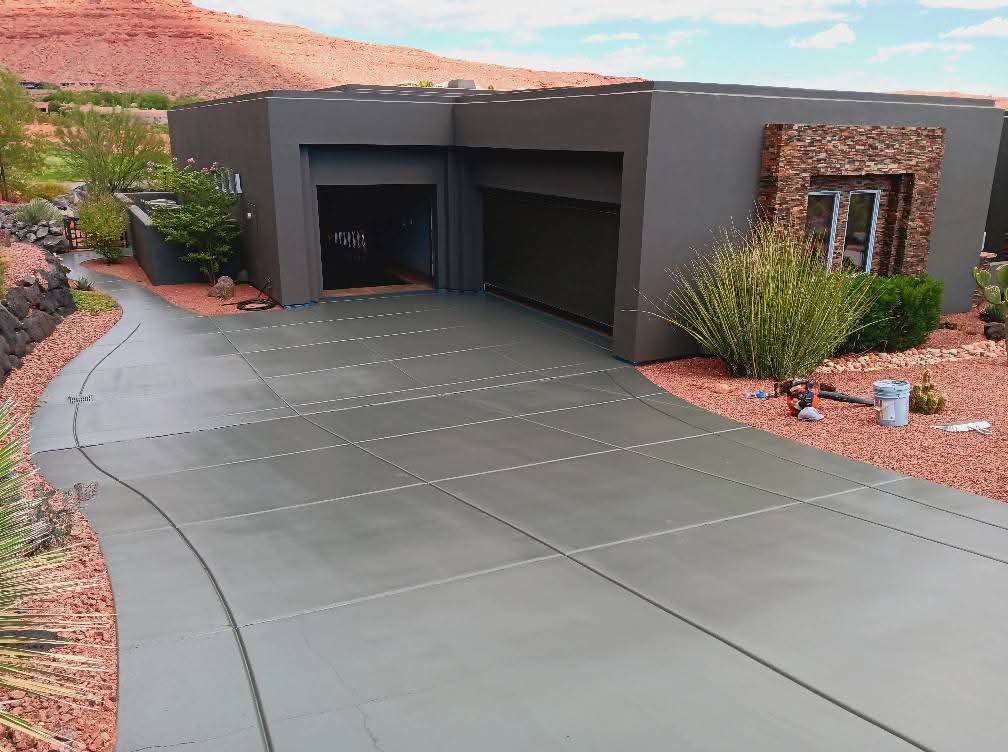
Recent Power Washing Work Around St. George
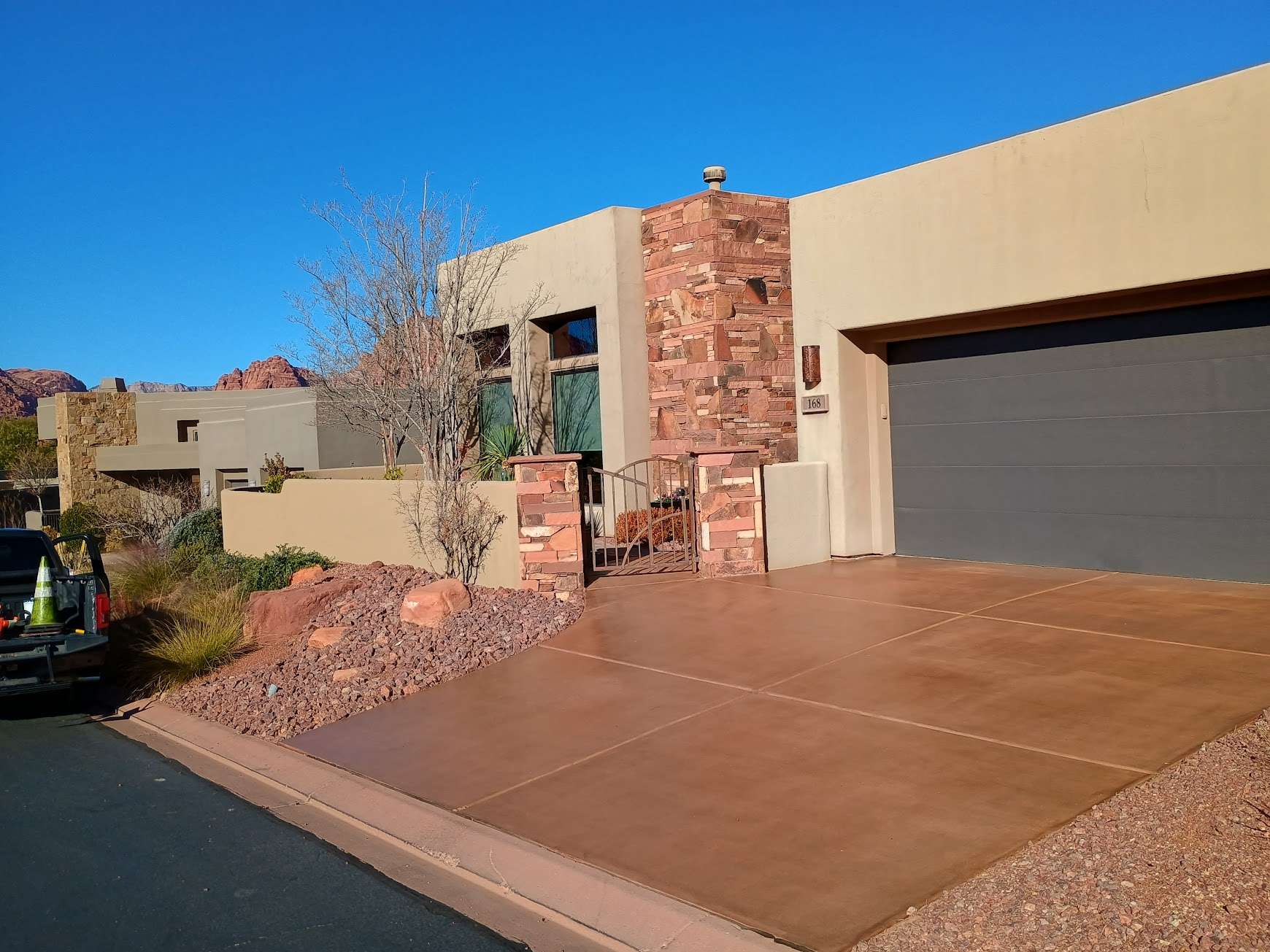
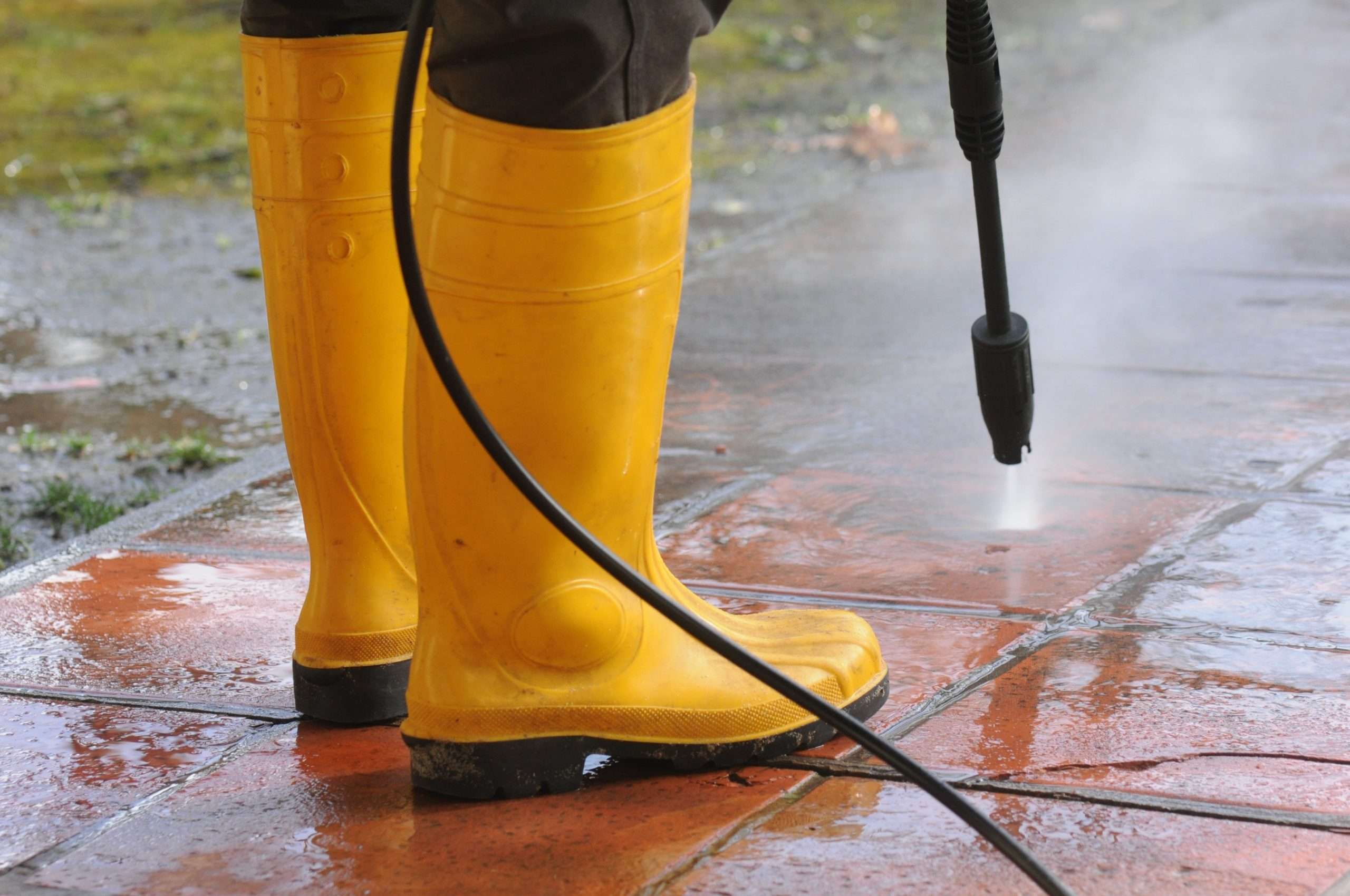
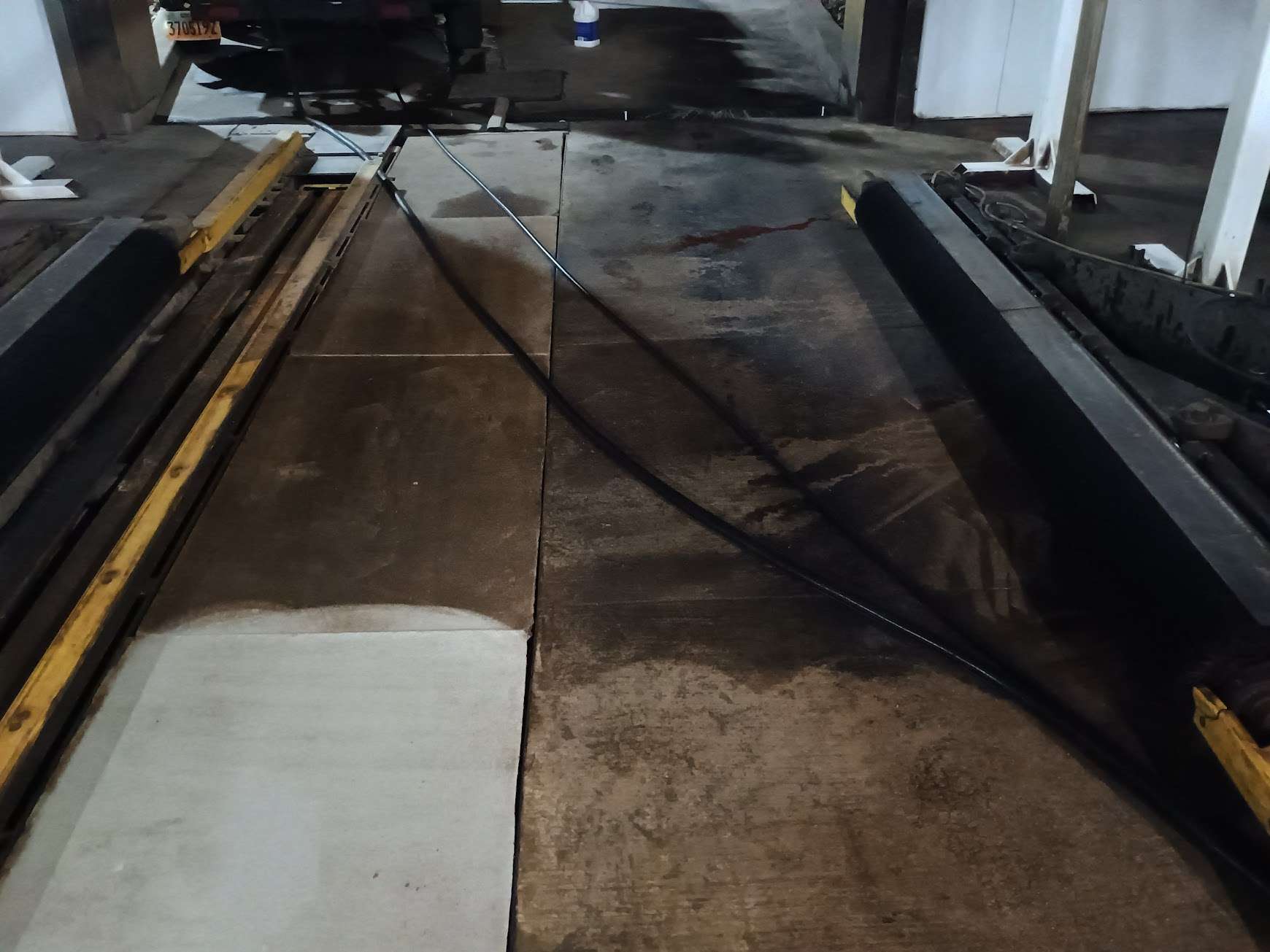
Learn More
Deep-dive into every aspect of our power washing service.
The Cost of Skipping Regular Power Washing
What ignoring this costs you
Keep Your Property Clean, Safe & Professional
The full value picture
Ideal for Homes, Businesses & Property Managers
Residential, commercial & more
Commercial-Grade Cleaning, Done Right
How we do it right
Results Built for Southern Utah Conditions
Engineered for this climate
Power Washing Questions, Answered
The questions St. George property owners ask us most often before booking.
Is pressure washing the same as power washing?
For most purposes, yes, and the two names get used interchangeably by nearly everyone including us. The technical distinction is that a power washer heats the water and a pressure washer does not. Heated water matters on oil, grease, and heavy organic buildup, where it breaks down contamination that cold water can only push around. On most residential concrete, cold water with the right detergent and the right surface cleaner does the job. We bring whichever the surface actually needs.
Will pressure washing remove oil stains from a driveway?
Usually a great deal of it, and sometimes all of it, but honesty matters here. Fresh oil comes up readily with a degreaser and hot water. Oil that has been sitting in an unsealed slab for years has soaked into the pores, and while we can pull the surface staining and lighten it substantially, a shadow can remain in badly saturated concrete. We will tell you what to expect when we look at it rather than promising a perfect result. Sealing afterward is what stops the next spill from soaking in.
What causes the orange and rust staining on my concrete?
Two things, and they are both common in this area. Sprinkler and irrigation water here carries iron and hard-water minerals that deposit on the slab and oxidize into orange staining, which is why the marks often trace the arc of a sprinkler head. Separately, wind-carried red sand embeds into open concrete pores and sets with irrigation water into staining that will not rinse off. Neither responds to pressure alone. Both need the right chemical treatment, and sealing the slab afterward is what keeps them from coming back.
Do I need to be home during the service?
No. We need access to the surfaces and to a water spigot, and beyond that most residential jobs run fine with nobody there. For commercial work we schedule around your business hours, including early mornings and weekends, so the cleaning does not interfere with customers or deliveries. We will walk the finished work with you whenever you would like to be there.
Should I seal the concrete after it is cleaned?
It is worth considering, and cleaning is the only time it can be done properly. A sealer applied over a contaminated slab traps the staining underneath permanently, so the wash has to come first. Once the surface is clean and dry, sealing closes the pores that let oil, rust, and red dust soak in, which is what makes the next cleaning easier and less frequent. It is a separate service, not something we add to a wash without asking.
Do you work with HOAs and property managers?
Yes, and recurring commercial and HOA work is a large part of what we do. That covers building exteriors, sidewalks and common walkways, pool decks and shared amenities, dumpster pads, and parking areas, on a scheduled cycle rather than one-off calls. Scheduled cleaning keeps a property consistently presentable and spreads the work across the year instead of concentrating it into one large project.
Ready for Power Washing in St. George?
Free estimate, fast response, quality guaranteed. Serving St. George and all of Southern Utah.