
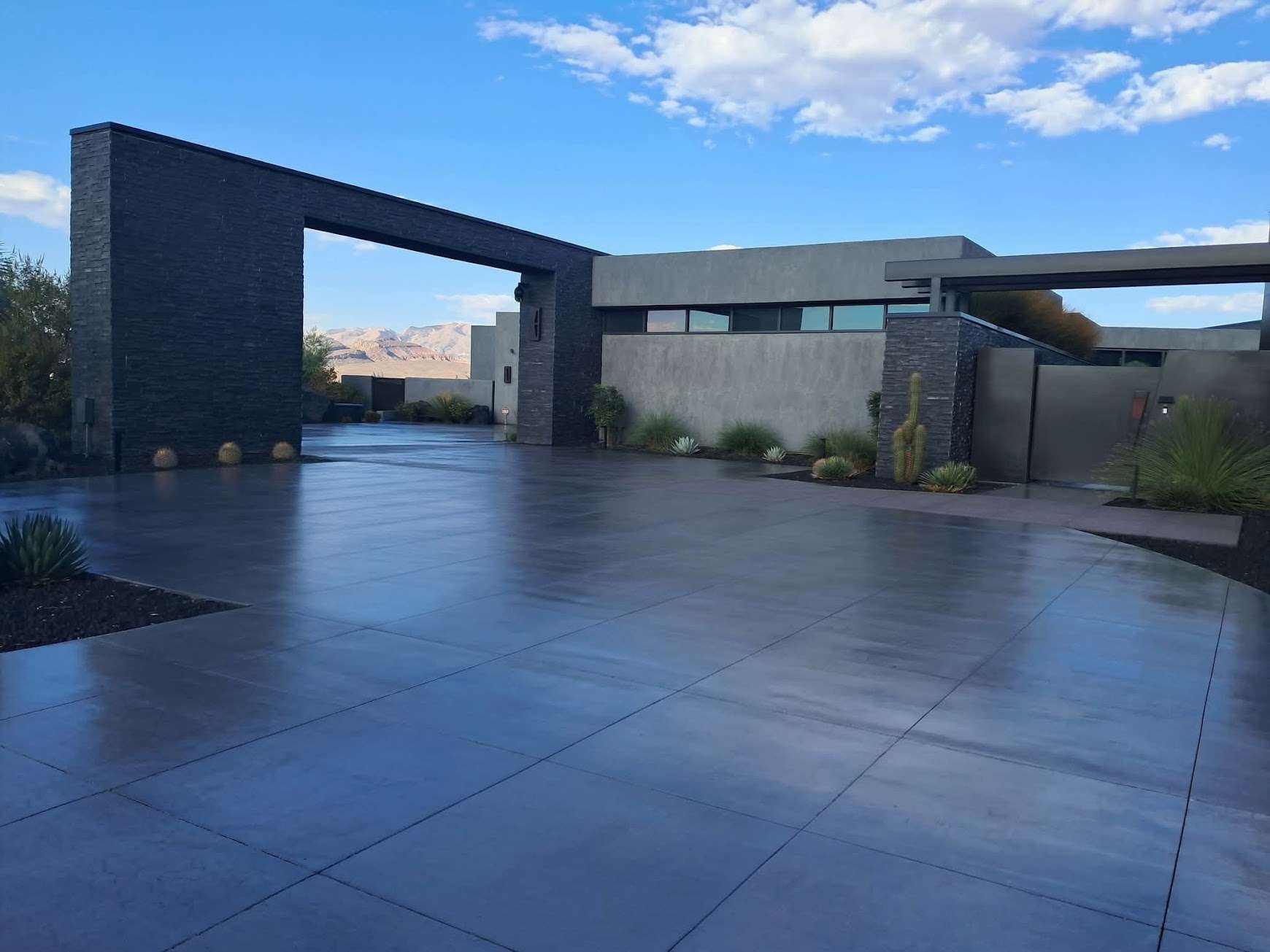
Serving Southern Utah
Concrete & Driveway Sealing in St. George, UT
Unsealed concrete is porous. It absorbs moisture, oils, and chemicals that crack, stain, and erode from the inside out. We seal it right the first time so you're not paying for replacement later.

Quality You Trust
Commercial-grade materials, every job

Craftsmanship That Lasts
Built for the Southern Utah climate

Service Done Right
Honest pricing, no surprises

Reliability Every Time
On time, and we follow through
Concrete Sealing in Southern Utah, Answered
Who seals concrete driveways in St. George?
Supreme Power Washing & Coatings handles concrete sealing and driveway sealing across St. George, Washington City, Hurricane, Ivins, Santa Clara, Leeds, Cedar City, and Mesquite, Nevada. We seal driveways and garage aprons, patios, pool decks, walkways, stained and decorative concrete, garage and shop floors, and commercial entries. Every job starts with a full cleaning, because a sealer locks in whatever is on the slab when it goes down, including oil, rust, and red dust. The sealer itself gets chosen for the surface: what works on a driveway is the wrong answer on a pool deck.
How can I tell if my concrete needs sealing?
Pour a little water on the slab and watch it. If the concrete darkens and drinks the water in within a few minutes, the pores are open and nothing is protecting it. If the water beads up and sits on top, an existing sealer is still doing its job. Other signs are color that has faded unevenly in the sun, fine grey dust coming off the surface, oil spots that spread outward instead of staying put, and orange sprinkler staining that comes back within weeks of a cleaning. Any one of those means the slab is absorbing what lands on it.
What sealer goes on a driveway versus a patio or pool deck?
Driveways usually get a penetrating sealer. It soaks into the concrete and leaves no film on top, so there is nothing for hot tires to soften and lift, and the surface keeps the same traction it had before. Patios and stained concrete often get a topical sealer instead, because it deepens the color and makes spills easier to wipe up. Pool decks need slip resistance above everything else, so they get either a penetrating sealer that keeps the existing texture or a topical one with an anti-slip additive mixed in. Garage floors that need more than protection are better served by a full epoxy coating.
Will sealing stop the orange sprinkler stains and red dust?
It stops them from setting in, which is most of the battle. Sprinkler water here carries iron and hard-water minerals, and wind carries fine red sand. On bare concrete both soak into the pores and stain from inside the surface. On sealed concrete they sit on top, where a rinse or a light cleaning takes them off. Sealing will not stop the sprinkler from hitting the slab, so adjusting heads that spray onto concrete is still worth doing. The order also matters: existing rust staining has to be treated before sealing, or the sealer protects the stain permanently.
Why Sealing in Southern Utah?
Professional concrete sealing that protects your surfaces from moisture, stains, and UV damage, extending lifespan and preserving appearance across Southern Utah.
Moisture Defense
Blocks water absorption that causes cracking and spalling from freeze-thaw cycles

UV Protection
Shields against Southern Utah's intense sun that fades and degrades unprotected concrete

Stain Resistance
Creates a barrier against oil, grease, rust, and chemical spills that become permanent without sealer
Extended Lifespan
Properly sealed concrete lasts decades longer, dramatically reducing replacement costs

Enhanced Appearance
Deepens color and adds a clean, finished look to any concrete surface

Lower Maintenance
Sealed surfaces are easier to clean and require far less ongoing upkeep
Our Process
Every step matters. Here's exactly how we do it right.
Surface Inspection
We assess concrete condition, identify cracks, stains, and existing sealers that need removal
Power Washing
Commercial-grade cleaning removes dirt, oils, and contaminants for proper sealer adhesion
Surface Preparation
Cracks repaired, existing sealers stripped, surface profiled for optimal penetration
Sealer Selection
Right sealer for your surface type, penetrating, acrylic, or polyurethane based on use case
Professional Application
Even, controlled application ensures consistent coverage with no pooling or streaking
Cure & Quality Check
Proper cure time monitored, final inspection ensures complete, uniform protection
Surfaces we seal
Each surface takes a different kind of wear, so each one gets a different sealer and a different finish. These are the ones we seal most often across Southern Utah.
Driveways & Garage Aprons
The concrete that takes vehicle weight, hot tires, oil drips, and the most sun. A penetrating driveway sealer protects it without changing the look or leaving a film that tires can pick up.
Patios & Outdoor Living Areas
Surfaces that see food, drinks, planters, and irrigation overspray. Sealing keeps spills from becoming permanent marks and can add a low sheen that makes the space look finished.
Pool Decks
Constant water, pool chemicals, and bare feet. Pool deck sealing is specified for slip resistance first, then for protection against the chlorine and salt that break down unsealed concrete around the water line.
Stained & Decorative Concrete
A stained or colored finish is only as durable as the sealer over it. Without one, desert UV fades the color and foot traffic wears through it. Resealing on schedule is what keeps decorative work looking new.
Garage & Shop Floors
Interior slabs that shed fine concrete dust onto everything stored on them. A sealer stops the dusting and makes oil and chemical spills easy to clean, at a lighter level of protection than a full floor coating.
Commercial Entries & HOA Common Areas
Storefront walkways, building entries, and shared sidewalks across a community. We seal them on a schedule that works around business hours and residents, and keep records of when each surface is due again.
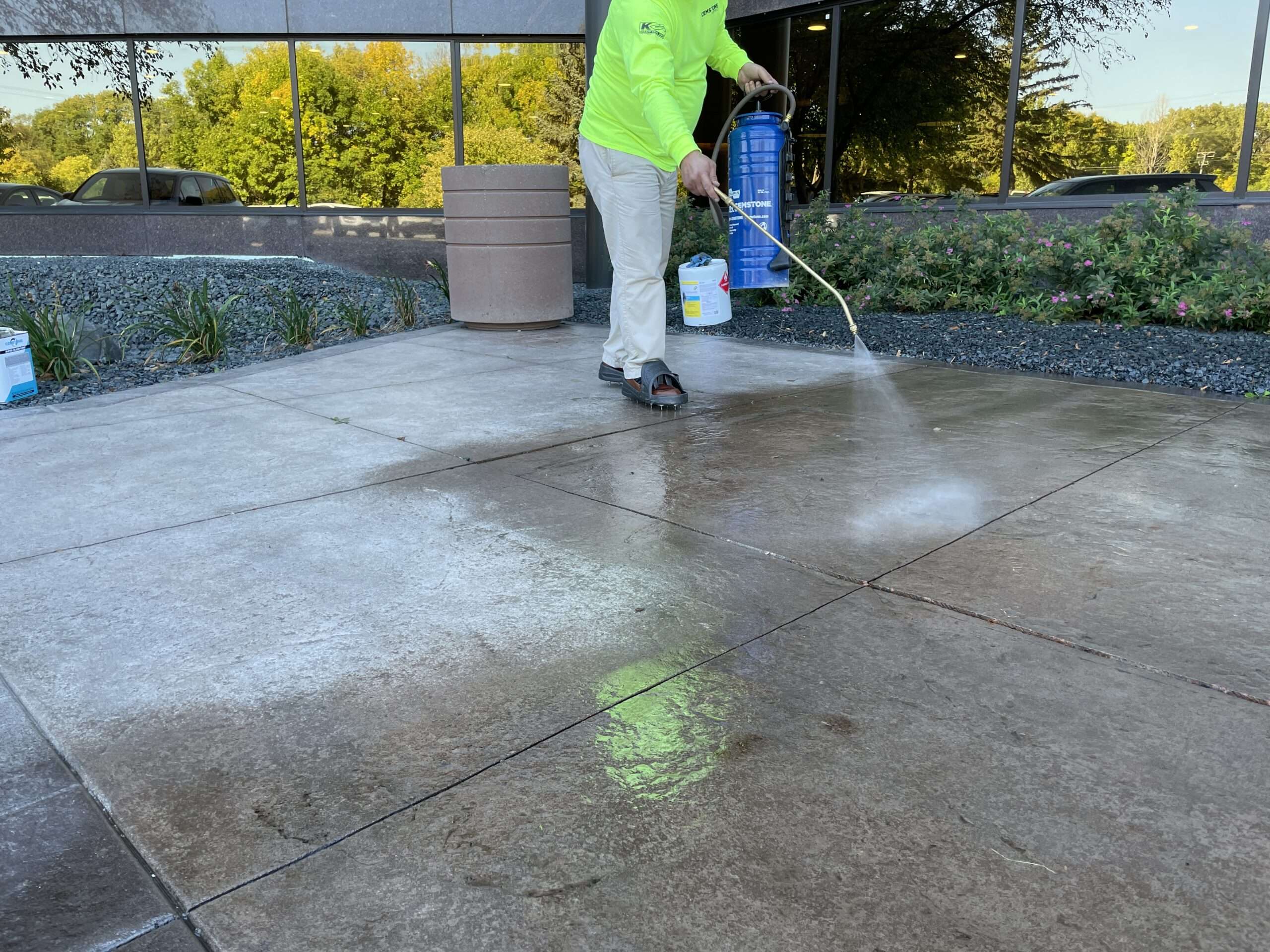
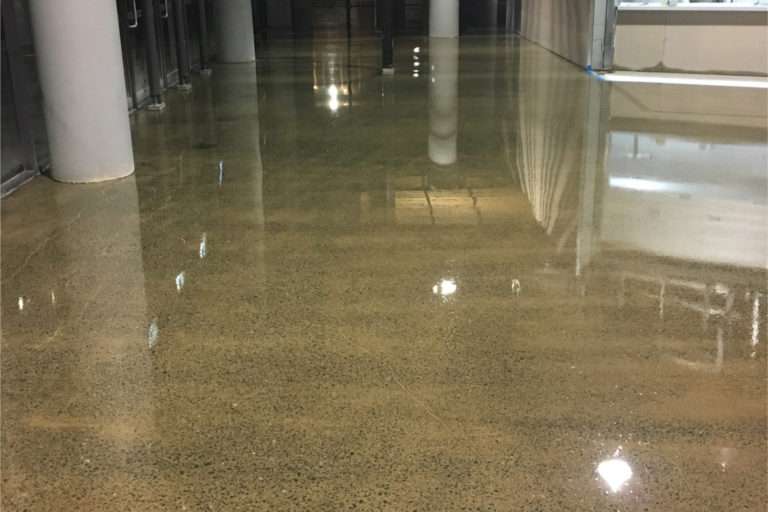
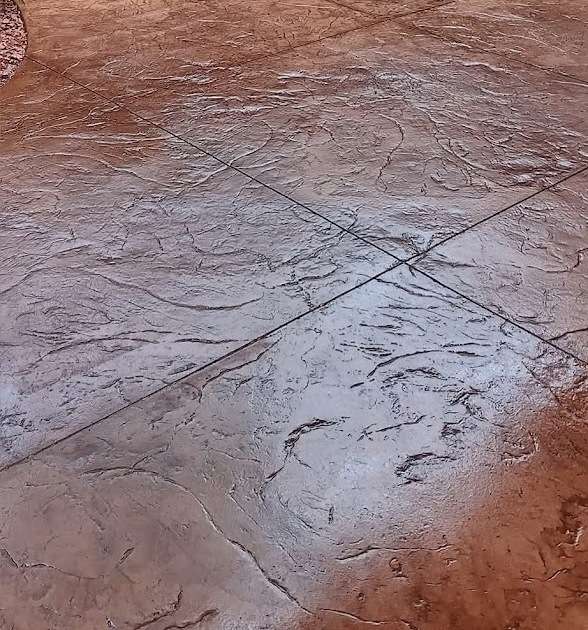
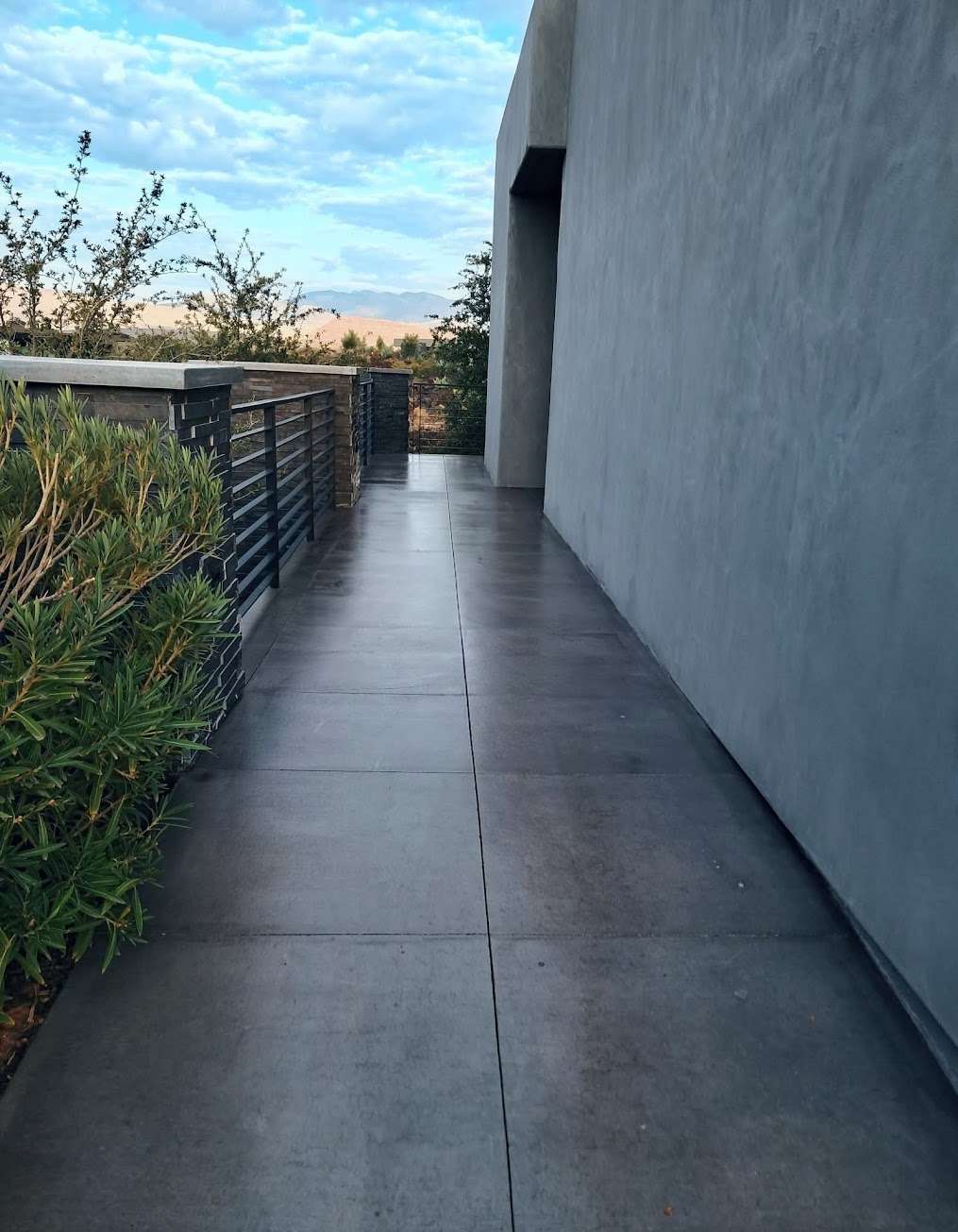
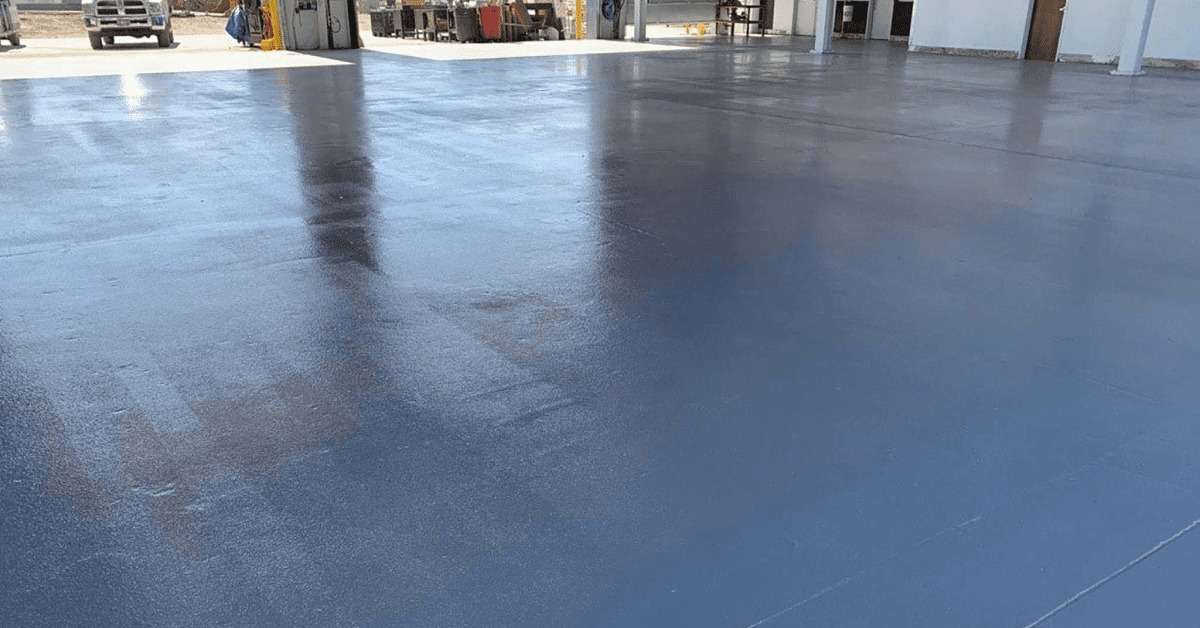
Recent Sealing Work Around St. George
Learn More
Deep-dive into every aspect of our sealing service.
The Cost of Leaving Concrete Unsealed
What ignoring this costs you
Protect Your Concrete Investment
The full value picture
Ideal for Homes, Businesses & Property Managers
Residential, commercial & more
Commercial-Grade Sealers, Applied Correctly
How we do it right
Built for Southern Utah Conditions
Engineered for this climate
Sealing Questions, Answered
The questions St. George property owners ask us most often before booking.
Is concrete sealing the same as sealcoating?
No, and the two get confused often. Sealcoating is a coal tar or asphalt emulsion product brushed or sprayed onto asphalt parking lots and driveways. Concrete sealing uses penetrating or topical sealers made for concrete, and sealcoat applied to concrete will peel off. Supreme seals concrete only. We do not sealcoat asphalt, so for an asphalt lot you will want a paving contractor, and we are glad to stripe it afterward.
Will sealing make my driveway or pool deck slippery?
Not if the right product goes on the right surface. Penetrating sealers leave no film, so the surface feels the same as it did before. High-gloss topical sealers can get slick when wet, which is why we do not put them on pool decks or sloped driveways without an anti-slip additive. If a surface is walked on wet, traction is part of the sealer choice from the start, not something we fix afterward.
Can you seal over an old sealer that is peeling or flaking?
Not directly. New sealer bonds to whatever is under it, and if the old coat is already letting go, the new one comes off with it. A failing topical sealer gets stripped or removed first, then the slab is cleaned and sealed fresh. If the old sealer is worn but still well bonded, a compatible product can often go over it after cleaning. We check which situation you have during the estimate, because the two jobs are very different amounts of work.
What time of year is best to seal concrete in St. George?
Spring and fall are ideal, when the slab is warm enough for the sealer to cure and not so hot that it flashes off before it bonds. Summer work is fine with early morning starts, which is how we handle it. The things to avoid are sealing right before a monsoon storm, when rain can wash an uncured coat away, and sealing at elevation on days when nights still drop below freezing. Fall sealing also means the slab goes into winter protected.
Should I seal my garage floor or coat it with epoxy?
It depends on what you need from the floor. A sealer is the lighter option: it stops dusting, makes spills easier to clean, and keeps the look of bare concrete. An epoxy coating is a full wear layer that covers the slab, hides stains and imperfections, and stands up to vehicles and dropped tools far better. If the floor just needs protecting, seal it. If you want a finished floor, it is worth looking at an epoxy flake system instead.
Do you seal concrete in Cedar City and other higher-elevation towns?
Yes, and sealing matters more there than it does in St. George. Cedar City sees real freeze-thaw cycles through the winter, plus de-icing salts tracked onto driveways and walkways, and both attack concrete that can absorb water. A sealed slab keeps that water and salt out of the pores. We serve Cedar City along with St. George, the surrounding Washington County towns, and Mesquite, Nevada.
Ready for Sealing in St. George?
Free estimate, fast response, quality guaranteed. Serving St. George and all of Southern Utah.